As a coach, you’re pouring your heart into your clients’ results, but are you pouring your resources into an email marketing strategy that actually delivers a measurable return? Many coaches struggle to connect their email efforts to their bottom line, leading to wasted time and budget on campaigns that don’t convert. Understanding your email marketing ROI for coaching isn’t just a nice-to-have metric—it’s the key to scaling your business with predictable revenue and a clear path from lead to client.
The good news? Calculating your email marketing ROI is simpler than you think when you tie it directly to your core goal: generating enough leads to hit your revenue targets. By using a straightforward formula that aligns with your sales process, you can stop guessing and start optimizing every email to drive real business growth.
Sources: SalesBread (Feb 2026), Sequenzy (Mar 2026), SCORE Guide
The Email Marketing ROI Formula for Coaches
To calculate your email marketing ROI, you need to track two key numbers: the revenue generated from your email campaigns and the cost of running them. The formula is simple: (Revenue from Email – Cost of Email) / Cost of Email. For coaches, the real power comes from plugging in your specific numbers—like your average client price and close rate—to see how many leads you actually need from your emails to hit your goals.
Let’s break it down. If your coaching package is $2,000 and you close 25% of qualified leads, you need 4 leads to make one sale. If your revenue target is $10,000, you need 5 clients, which means you need 20 qualified leads from your email list. This clarity turns abstract marketing efforts into a concrete, actionable plan.
Why Lead Quality Trumps Email Volume for Coaches
It’s tempting to chase a massive email list, but for coaches, right-fit leads are far more valuable than raw numbers. A list of 10,000 cold subscribers won’t perform as well as a list of 500 highly engaged prospects who align with your niche and messaging. Research shows that prequalifying leads with tailored content—like addressing whether they’re DIY learners, beginners, or ready-to-buy—dramatically improves conversion rates and ROI.
Building a system you control, rather than relying on unpredictable referrals, ensures a steady stream of qualified leads. Start by creating lead magnets that attract your ideal client and segment your list based on their readiness to buy. This targeted approach makes every email more relevant and every lead more likely to convert.
Turn Subscribers into Clients with Automated Nurture Sequences
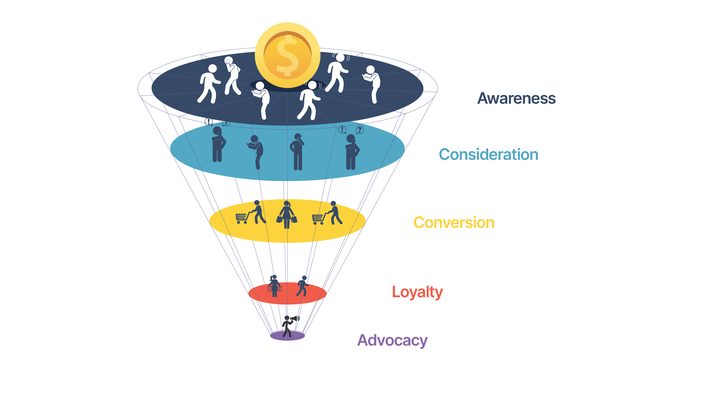
Once you have the right leads on your list, automated email sequences are your most powerful tool for moving them toward a decision. The best practices for coaches include a mix of value-driven content, social proof, and clear calls-to-action that guide subscribers from curiosity to commitment. For example, a sequence might start with a case study, followed by a testimonial, and end with a low-risk offer to build trust.
Tools like AWeber and Mailchimp make it easy to set up these sequences, but the key is planning them around your client’s journey. Map out the questions and objections they typically have, and address them in a logical, step-by-step flow. This consistency builds trust and positions you as the obvious solution to their problem.
Optimize Your Email Marketing for Maximum ROI
To truly maximize your email marketing ROI, focus on what you can control: your list quality, your messaging, and your conversion systems. Start by auditing your current list—clean out inactive subscribers and segment actively engaged prospects. Then, refine your email copy to speak directly to the pain points and aspirations of each segment. A/B test subject lines, calls-to-action, and offers to see what resonates most with your audience.
Remember, your email list is an asset, but only if you nurture it effectively. Use lead magnets to attract new subscribers, and deliver consistent value to keep them engaged. Over time, this builds a pipeline of qualified leads who see you as the go-to expert, making your sales process smoother and your ROI more predictable.
Frequently asked questions
How often should I email my coaching list?
Aim for 1-2 emails per week to stay top-of-mind without overwhelming your subscribers. Balance value-driven content with promotional offers based on your audience’s engagement level.
What’s the best lead magnet for coaches?
The best lead magnets solve a specific problem for your ideal client, like a checklist, template, or mini-course. They should demonstrate your expertise and position you as the solution to their bigger challenge.
Can I calculate ROI if I don’t track sales from emails?
Yes, but you’ll need to start tracking. Use UTM parameters or unique landing pages to attribute sales back to specific campaigns. Without this data, you’re guessing at your ROI rather than measuring it.
Calculating your email marketing ROI for coaching isn’t about complicated math—it’s about aligning your efforts with your revenue goals. By focusing on lead quality, automated nurture sequences, and consistent optimization, you can turn your email list into a predictable client-generation machine. Ready to build a system that works for you? Book a free strategy call to see how our AI-powered sales funnels can help you scale with clarity and confidence.