Are you a coach, trainer, or course creator pouring your heart into your content, only to feel like your email marketing is falling flat? You craft thoughtful emails, but the open rates are low, and the conversions to paying clients are frustratingly inconsistent. The truth is, without a clear understanding of email marketing benchmarks, you're flying blind, guessing what success looks like for your specific audience. This guide cuts through the noise to provide you with the real data you need to build an email list that not only grows but actively converts subscribers into clients.
Forget generic industry averages that don't apply to the coaching world. We've dug into the latest data from platforms like AWeber and Mailchimp to give you actionable benchmarks tailored for coaches. By the end of this article, you'll know exactly where your email marketing stands and have a clear roadmap to optimize every step of your funnel, from the first welcome email to the final sales pitch.
Sources: SalesBread (Feb 2026), Sequenzy (Mar 2026), FunnelsthatSell internal data
Understanding Your Coaching Audience: The Foundation of Benchmarks
Before you can measure success, you must understand who you're talking to. Coaching audiences are unique because they are often in a state of transformation, making their buying journey emotional and complex. Data shows that prequalification is critical; your audience isn't a monolith. You have different lead types, from the DIY learner just starting their research to the ready-to-buy prospect who needs a final nudge. The key is to fit your lead generation strategy to your coaching style. A B2B consultant might find success with direct outreach, while a life coach will likely need a more inbound approach with compelling lead magnets. This segmentation is the first step toward hitting meaningful email marketing benchmarks.
The Power of Nurture: Email Benchmarks That Build Trust
The biggest mistake coaches make is treating their email list like a broadcast channel, constantly selling without first building trust. AWeber's best practices for coaches emphasize building a list and then nurturing it with automated sequences. The goal is to convert subscribers from passive readers into engaged followers who see you as the guide they need. This means your email sequences must be planned, not random. Mailchimp highlights that well-crafted sequences are incredibly powerful, guiding your audience through a journey. For coaching, this often means sharing valuable insights, telling stories of transformation, and gradually introducing your paid offer as the logical next step. This process is what builds the know, like, and trust factor that converts.
Lead Magnets That Work: Getting the Right Subscribers
You can't have a successful email list without the right people in it. That's where lead magnets come in. But not all lead magnets are created equal. For coaches, the most effective lead magnets offer a tangible solution to a specific, immediate problem. This could be a checklist, a short guide, or a quiz that helps a prospect self-identify their biggest challenge. By offering something of high value related to your coaching niche, you attract "right-fit" leads who are genuinely interested in your services, not just freebie-seekers. This is a crucial step in the system you control, ensuring your list is filled with potential clients who are more likely to convert. For more ideas on creating effective lead magnets, check out our guide on lead magnets that work.
From Subscriber to Client: Converting Your Email List
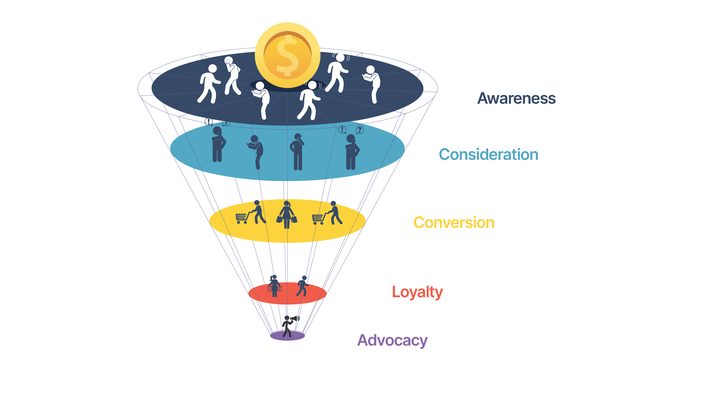
Ultimately, the benchmark that matters most for a coach is the conversion rate from email subscriber to paying client. This is where your automated nurture sequences shine. After building trust and demonstrating value, your emails should seamlessly guide your warmest subscribers toward a low-commitment offer, like a strategy call or a low-priced workshop. This is where you can leverage the power of a targeted marketing system designed specifically for coaches. By analyzing your email metrics—open rates, click-through rates, and replies—you can identify your most engaged subscribers and tailor your follow-up to them. Remember, for coaches, the relationship is paramount. Your email marketing should feel personal and consultative, not like a corporate blast, turning your list into your most reliable source of new clients.
Frequently asked questions
What is a good open rate for a coach's email list?
While industry averages can vary, a healthy open rate for a coaching audience typically falls between 20% and 30%. The key is to focus on sending valuable content that your subscribers genuinely want to receive, which naturally encourages more opens.
How often should I send emails to my coaching list?
Consistency is more important than frequency. A great starting point is one email per week. This keeps you top-of-mind without overwhelming your audience. You can adjust based on your content calendar and how your audience engages with your emails.
What's the best way to segment my coaching email list?
Segment based on where your subscribers are in their journey and their level of engagement. You can segment by the lead magnet they downloaded, their purchase history, or even how they've interacted with your emails. This allows you to send hyper-relevant messages that resonate more deeply.
Understanding and applying these email marketing benchmarks is the key to transforming your list from a static contact database into a dynamic client-generation engine. By focusing on attracting right-fit leads, nurturing them with trust-building content, and guiding them toward your offers, you can create a predictable system for growing your coaching business. If you're ready to build a high-converting email funnel that works for you 24/7, book a free strategy call with our team to see how we can help.