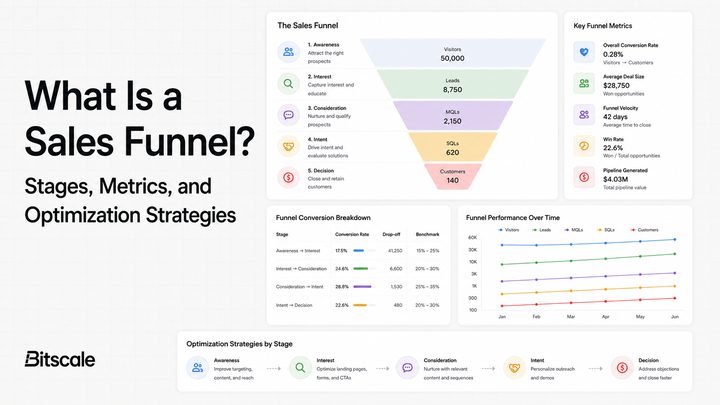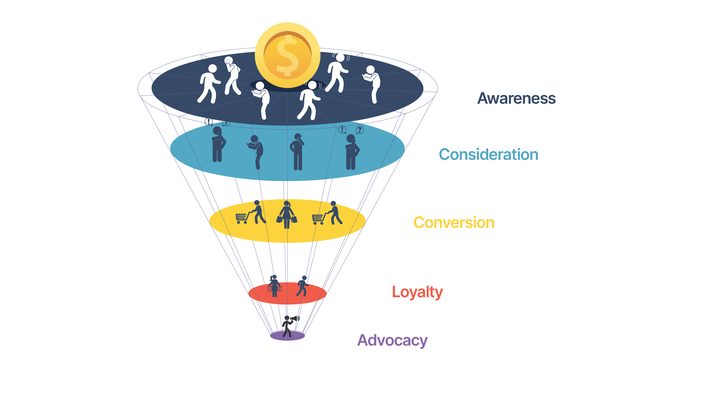

Are you tired of pouring your heart into your coaching offers, only to watch your landing pages crumble with a 2% conversion rate? For coaches, trainers, and course creators, every visitor is a potential high-ticket client, but most funnels fail to turn that traffic into revenue. The solution isn’t more traffic—it’s a A/B testing framework that systematically optimizes your funnel for maximum impact. By testing the right elements in the right order, you can stop guessing and start converting.
Imagine doubling your conversion rate without spending a dime on ads. A structured A/B testing framework lets you isolate what’s working and what’s not, so you can refine your messaging, CTAs, and design to resonate with your ideal clients. In this guide, we’ll walk you through exactly what to test first, how to set up tests for high-ticket offers, and how to analyze results so you can build a funnel that sells predictably.
Sources: Benchmarketing 2026, Unbounce Conversion Benchmark Report, HubSpot
Start with Your Headline: The First Impression That Converts
Your headline is the first thing visitors see, and it’s often the deciding factor in whether they stay or bounce. For high-ticket coaching offers, your headline must instantly communicate value and relevance. Test variations that speak directly to your ideal client’s pain points or aspirations. For example, compare a benefit-driven headline like “Finally Land 10 High-Ticket Clients in 90 Days” against a curiosity-driven one like “The 3-Step System Coaches Use to Double Their Conversion Rate.”
Remember, your headline should align with your audience’s stage in the buyer’s journey. Newer prospects may respond better to problem-focused language, while warmer leads might resonate with solution-oriented messaging. Use tools like our ROI calculator to estimate how even a small lift in headline performance can impact your bottom line. The goal is to grab attention and make them feel understood—before they scroll away.
Next, Test Your Call-to-Action (CTA): The Make-or-Break Element
Your CTA is the bridge between interest and action, and it’s one of the most impactful elements to test. For high-ticket offers, clarity and urgency are key. Start by testing button color, text, and placement. For example, compare “Apply Now” vs. “Book Your Strategy Call” or a red button vs. a green one. Personalization can also play a huge role—try tailoring the CTA text based on the visitor’s source or behavior.
Don’t overlook the power of microcopy around your CTA. Adding a short benefit, like “Limited Spots Available” or “Free 30-Minute Session,” can boost conversions significantly. HubSpot found that personalized CTAs drove a 202% lift, so test how subtle tweaks can make a big difference. The key is to make the next step feel effortless and valuable—whether it’s booking a call or downloading a lead magnet.
Optimize Visuals: Images and Videos That Build Trust
Humans are visual creatures, and for coaches, your visuals must convey credibility and connection. Test professional headshots vs. lifestyle photos, or static images vs. short video clips. For high-ticket offers, video testimonials or a “day in the life” clip of you working with a client can build trust faster than text alone. If you’re using stock photos, test authentic, relatable images over generic ones.
Page speed matters too—53% of mobile users abandon pages that take longer than 3 seconds to load. Compress images and test video placement to ensure a seamless experience. A slow page can cost you conversions, so balance visual appeal with performance. Remember, your visuals should reinforce your message, not distract from it.
- Test first: Headline → CTA → Visuals → Form fields
- Test volume: Start with 50-100 conversions per variation for statistical significance
- Test tools: Use built-in A/B testing in your funnel builder or third-party tools like Google Optimize
Analyze Results: Focus on High-Ticket Metrics
When analyzing A/B test results, don’t just look at click-through rates—focus on metrics that matter for high-ticket offers. Track cost per acquisition, lead quality, and ultimately, sales conversion. A test that brings in more leads but lowers their quality isn’t a win. Use your funnel analytics to see where visitors drop off and iterate on those weak points.
For example, if your headline test drives more clicks but fewer form submissions, your problem might be mismatched messaging. Or if your CTA test increases clicks but not sales, your offer clarity could be the issue. The goal is to build a high-converting page that not only attracts leads but converts them into paying clients. Test, learn, and repeat—consistency is key to long-term growth.
Frequently asked questions
How long should I run an A/B test?
Run tests until you reach statistical significance, typically 50-100 conversions per variation. Rushing a test can lead to false conclusions, so be patient and let the data speak.
What’s the most common mistake coaches make with A/B testing?
Testing too many variables at once. Instead, isolate one element per test (e.g., only the headline) to know exactly what’s driving results. Our copywriting formulas guide can help you craft testable variations.
Can I use A/B testing for high-ticket offers?
Absolutely. High-ticket offers benefit even more from testing, as small improvements in conversion rates can lead to significant revenue gains. Focus on building trust and clarity at every step of your funnel.
Building a high-converting funnel isn’t about luck—it’s about strategy. By implementing a structured A/B testing framework, you can eliminate guesswork and create a funnel that consistently attracts and converts your ideal clients. Ready to turn your traffic into revenue? Book a free strategy call with our team and let us build an AI-powered sales funnel that sells for you.